In our Four Pillars of Health series, we’ve already covered Movement and Nourishment. Now, it’s time to dive into the third pillar: Recovery.
For many people, “recovery” sounds like rest or passivity. But, in reality, it’s one of the most active and productive things your body can do. From repairing muscles and regulating hormones to reducing pain and inflammation, recovery is where the real gains from your movement and nourishment efforts are consolidated.
And there’s one major factor at the heart of recovery – sleep.
Why sleep is vital for MSK health
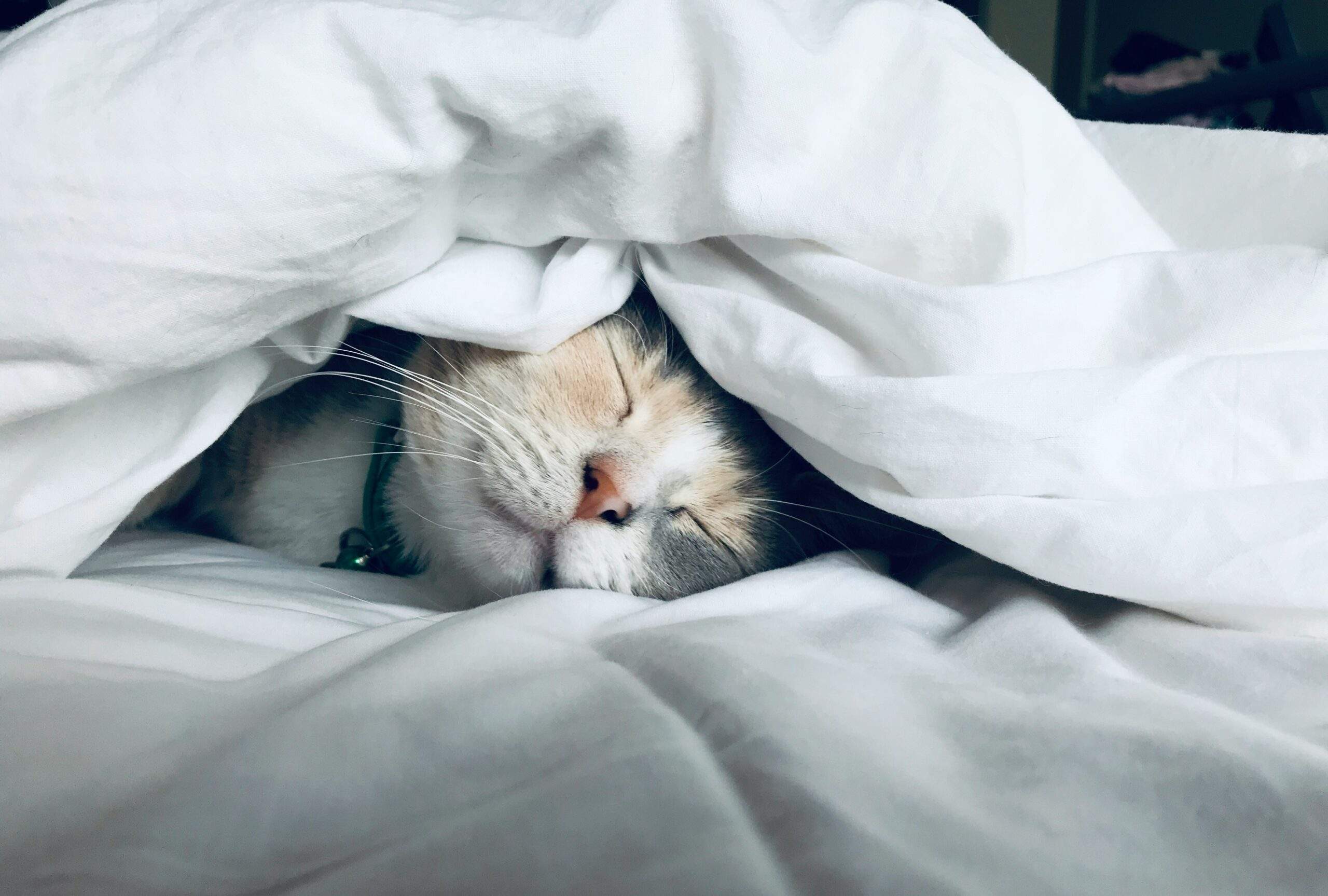
Sleep is your body’s natural repair mode. When you get proper rest:
- Muscles rebuild after workouts and manual therapy
- Inflammation subsides, helping joints settle and pain reduce
- Spinal discs rehydrate, regaining flexibility after compressive forces
- Cognitive function improves, boosting your ability to move well and make healthy choices
- Stress hormones drop, allowing parasympathetic healing to kick in
Without quality sleep, these systems falter. You might find yourself sore, sluggish, more prone to injury and less responsive to treatment.
Real-life recovery: My sleep strategy for busy seasons
As president of the BCA and director of Cleve Chiropractic, I spend a lot of time on the move – travelling around the country by planes, trains and automobiles, juggling leadership responsibilities and meeting members. Add in my new running and weight-training routine and it’s fair to say I’ve come to respect recovery more than ever.
Here’s how I protect my sleep, even when life gets full-on:
- Sleep routine
I aim for 7–8 hours per night and stick to consistent sleep/wake times, even during travel. - Wind‑down ritual
I dim the lights, avoid screens for 30 minutes before bed and switch off from work. I often unwind with gentle stretching or breathing techniques, especially after heavy training sessions. One of my favourite rituals is a calming herbal tea – usually red bush (rooibos) or chamomile – as a way to tell my brain that it’s time to wind down. - Sleep environment
Whether at home or away, I prioritise a cool, dark room. I even take my own pillow or eye mask on the road – small habits that make a big difference when sleeping in new environments. - Post-exercise recovery
After a long run or strength session, I make time to rest, hydrate and use magnesium-rich foods or supplements (cheers to Cleve’s nutrition expert Philippa Parish) to ease muscle tension. - Travel recovery
On long travel days, I’ll grab 10–15 minutes of quiet downtime between meetings or while commuting. It helps me reset mentally and physically, even when sleep is disrupted.
☕ Tim’s tips for better sleep and recovery
As someone who balances a busy family, leadership of a national organisation and my own health journey, I’ve had to learn how to prioritise rest without guilt. Here’s a few personal favourites that keep me feeling human:
🕰️ Keep it consistent
Even when I’m travelling, I try to sleep and wake at the same time each day.
📵 Ditch the digital glow
Thirty minutes before bed = no screens. My brain actually thanks me.
☕ Swap caffeine for calm
I love a chamomile or red bush tea before bed. It’s like a gentle off-switch for the mind.
🛏️ Make your bed a sanctuary
Own pillow. Eye mask. Total darkness. It’s worth it.
🏃 Recover hard if you train hard
Post-training rest is sacred: stretching, magnesium, good food and decent sleep.
🚅 Pause in the chaos
Even five minutes of calm on a railway station or airport bench can make a difference.
The evidence: How therapies improve sleep and recovery
Let’s look at the research that supports what we already know in practice – that MSK therapies improve rest, recovery and resilience.
Chiropractic care
- A 2024 study using PROMIS-29 showed increased light sleep and reduced fatigue after four weeks of chiropractic care
- Around 40 percent of patients report improved sleep as a direct benefit of regular chiropractic adjustments
- Even in cases like fibromyalgia or chronic tension, chiropractic care has been shown to significantly improve sleep quality
Sports and relaxation massage
- A 2025 study showed relaxation massage increased total sleep time by over 50 minutes per night
- Massage also improves serotonin production, reduces cortisol and promotes calm – all key elements for better recovery sleep
Acupuncture
- Meta-analyses show acupuncture significantly improves sleep quality in both general and clinical populations
- It’s especially helpful for people managing pain, stress and hormonal disruption,which often go hand-in-hand with MSK issues
The Cleve approach to recovery
At Cleve Chiropractic, recovery isn’t just about what happens on the treatment table – it’s about what happens between appointments.
That’s why we offer:
- Chiropractic care for realignment, nervous system regulation and spinal mobility
- Sports massage and soft tissue therapy to reduce tension and promote healing
- Acupuncture for natural pain relief, nervous system balance and sleep enhancement
- Advice on sleep hygiene, rest cycles and post-exercise care to keep you thriving
Coming next: Mindset – the fourth pillar
Recovery is the bridge between what you do and what you become. It’s where your hard work pays off, your systems recalibrate and your energy returns. But to stay consistent and motivated, you also need the right mindset.
In Part 4, we’ll explore how belief, focus and emotional resilience tie everything together – so you can make the most of Movement, Nourishment and Recovery.
Until then, enjoy your evening tea, take a breath and give your body the rest it’s earned.
For more news and practical tips, don’t forget to follow us on Instagram @cleve_chiro.
Photo by Kate Stone Matheson on Unsplash