In the past few months, I have seen a number of patients after having a knee replacement which hasn’t worked as well as hoped. I thought it would be nice to review this option a little and discuss how we would support a successful procedure and how we would help difficult cases where patients feel no better or even worse after an operation. With the NHS struggling to provide patients with timely access to treatment, more and more patients are realising that there is a cost-effective way to get care at a time and place that suits them, and with the experience we have in the clinic, we are so well placed to provide this!
Knee replacement surgery is really common and used to treat severe knee pain and disability caused by arthritis, injury, or other conditions. The chances of success depends on your overall health, age, the severity of the knee damage, and how well you follow your post-surgery rehabilitation plans… we’re all human after all! According to the NHS, 90% of people who undergo knee replacement surgery feel better (15%) or much better (75%). These are good odds!
While the surgery can often be positive in the short term, a proper rehabilitation program (that means doing your exercises!) is essential to a great long-term outcome. Successful rehabilitation can be challenging, and I’m afraid it really does rely on you committing to your program for several months, but thankfully we can help you through this. Having regular check ins for some face to face, hands on treatment will help you stick to the plan, motive you when it’s getting tough, and improve how well the area is functioning.
Sometimes, even with the most dedicated patient, the knee replacement can really stiffen up and may lose some movement, making it hard to bend the knee and walking properly. In these cases, patients will likely be offered a ‘manipulation under anaesthetic’, which can help restore range of motion. But what happens when this is unsuccessful, and the patient is left with a knee that struggles to bend and straighten well? This type of patient will typically come and see me 1-2 years later, feeling quite despondent as they think they have tried all available options.
The good news is that the main outcomes patients are looking for, are increased range of motion and decreased pain, and these are outcomes we can really help with. In all the cases that I have seen like this recently, all patients increased their knee range of motion and reduced pain significantly.
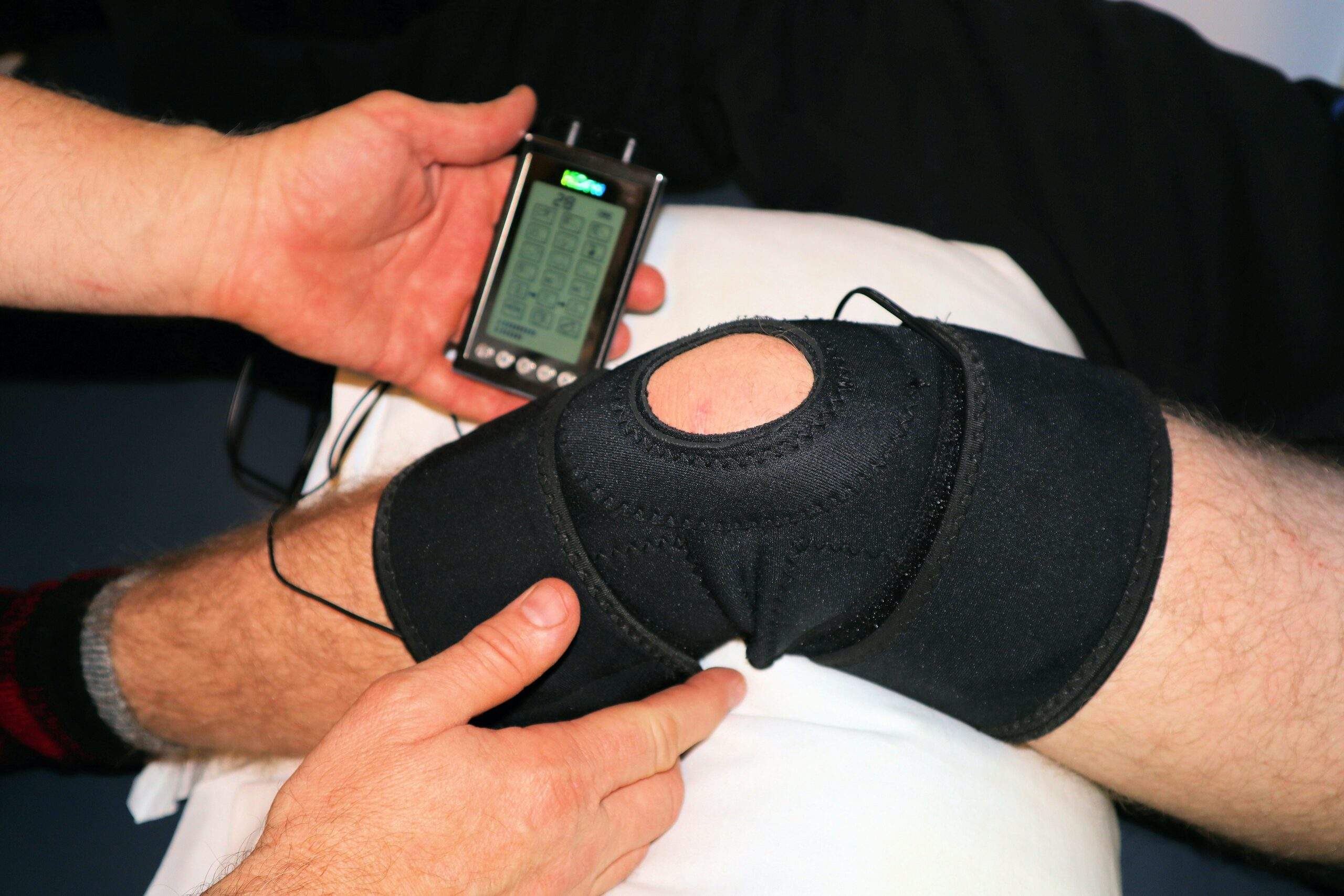
When a knee hasn\’t moved well for a while, a lot of the soft tissue structures surrounding it will have become very tight and tense. We start with gently working through these tissues (muscles, joints, and tendons), to make it easier for us to then apply gentle manipulations to the knee. As you know, we keep the clinic stocked with the very best in modern technology (powered by hugely experienced clinicians!) and have developed our protocol to include using our shockwave machines to breakdown some of the adhesions that have built up around the knee capsule and the joint line. When the knee is in a painful state, we may also use laser therapy to reduce the pain and speed up the healing process.
If you think we can help you are a loved one with an issue like this then please call and book into the clinic and see if we can help you. And remember, you don\’t have to wait until you reach the point of knee replacement. If you\’re experiencing stiff, sore, or achy knees, our team will be able to assess and help you manage this before reaching the point of surgery.
Photo by Terry Shultz P.T. on Unsplash