
Skiing all day, chiropractic lectures in the early evening, then great food, conversation and networking long into the night — that’s the Chiro Ski rhythm, and I love it. I’m just about to take a brilliant group of 30 chiropractors to Wengen, high in the Swiss Alps, for one of my favourite weeks of the year. The format works beautifully: learn together, move together, eat together, laugh together.
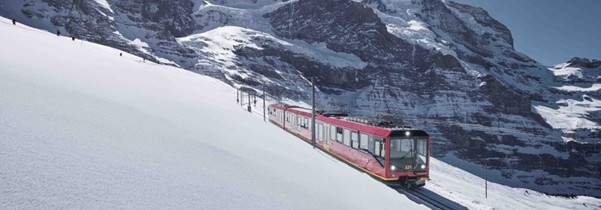
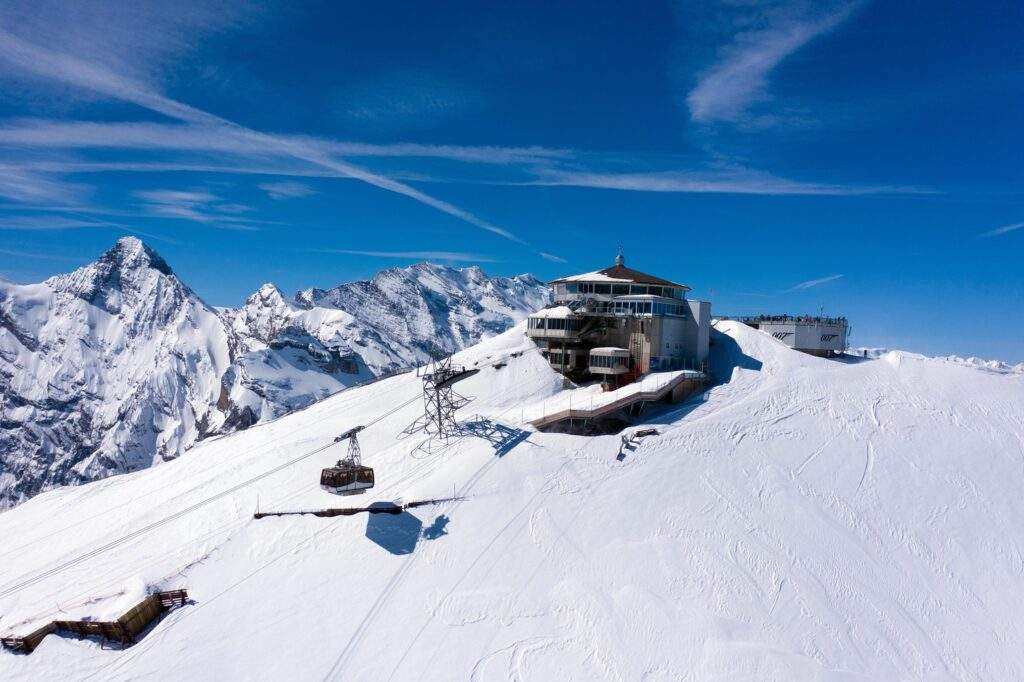
The journey itself helps you switch off. We fly into Geneva Airport, then take the ski train that steadily lifts you from city level up into the mountains. With every climb, the pace of life slows and the headspace opens up. Wengen also happens to sit close to the famous James Bond restaurant, Piz Gloria — proof that skiing has always blended adventure with a bit of glamour.
With more and more people discovering the mountains each winter, I thought I’d share a few reflections and practical tips from someone who’s been skiing since the 1980s. I learnt on school trips organised by my parents (both teachers), back when kit was basic, skis were long, and helmets were considered optional. In fact, my parents wouldn’t let me have one because they were expensive. Now? You look stranger without a helmet than with one. Times have changed — mostly for the better.
Why skiing is so good for you
Skiing is a full-body workout disguised as fun. Legs, core, balance and coordination all working together, often for hours at a time. Add crisp mountain air, incredible scenery and time away from everyday noise, and the mental health benefits are just as powerful as the physical ones.
Warm up properly
Cold muscles and sudden effort don’t mix well. Before you head off:
- Spend 5–10 minutes mobilising hips, knees, ankles and spine
- Add a few gentle squats, lunges and rotations
- Start the day with a couple of easier runs
Your body will thank you later in the week.
Clothing: think layers
Bulky jumpers are a thing of the past. Aim for:
- A breathable base layer
- An insulating mid-layer
- A waterproof outer shell
Warm hands, good socks and decent eye protection make a huge difference to comfort and endurance.
Helmets: just wear one
Modern helmets are light, warm and comfortable, and they dramatically reduce the risk of serious head injury. The 80s were fun — but not always smart.
Ski or board within your limits
Choose runs appropriate to your ability, control your speed and respect fatigue. Tired legs lead to poor decisions, and there’s no medal for the last run of the day.
Stay aware
Music can wait. Being able to hear what’s happening around you — other skiers, changing conditions, piste machinery — is a big part of staying safe.
Phones: useful, not distracting
Carry your phone for emergencies, maps and meeting points, but keep it in a warm pocket. Cold drains batteries quickly, and skiing while scrolling is never a good idea.
Off-piste deserves respect
Off-piste skiing can be incredible, but it’s serious terrain:
- Go with a qualified guide
- Check conditions and avalanche forecasts
- Have the right kit and knowledge
Confidence is not a substitute for preparation.
Timing matters
Early season can be magical but variable. Mid-season usually brings the most reliable snow. Late season offers sunshine, softer snow and a more relaxed pace — a personal favourite.
Chiro Ski is about far more than skiing. It’s learning, movement, connection and perspective — all wrapped up in a week that’s as good for the mind as it is for the body. Ski smart, respect the mountains, and enjoy every turn.