
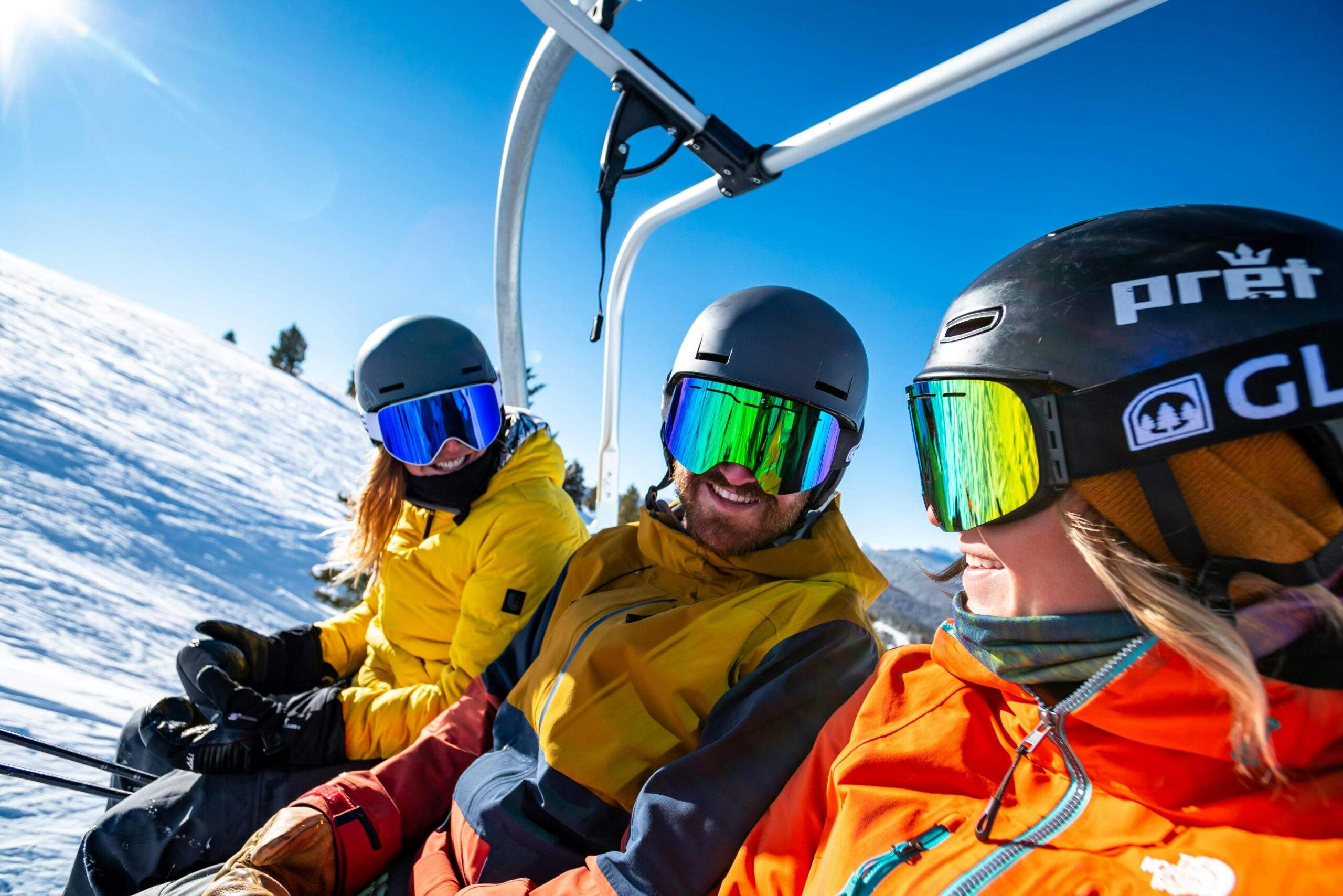
If you’re heading for the ski slopes, here’s some timely advice to ensure your trip will be
downhill all the way!
As winter enthusiasts gear up for the thrill of the ski season, the importance of physical
preparation cannot be overstated. The Button families have recently been away together in
France for the annual ski trip – so it’s all fresh in my mind.
A successful ski trip demands more than just proper gear and technique; it requires a body
finely tuned for the challenges of the slopes. I’m discussing a lot of practical tips here that
will certainly help but don’t forget to pop in and see us for some chiropractic tune-ups
before and after your trip – or some physiotherapy and massage for any injuries that might
need attention.
In this fitness-focused article, you’ll get the best advice on how to prepare physically for a
ski holiday and execute an effective warm-up routine once you arrive at your snowy
destination.
The Foundation: Physical Preparation
- Cardiovascular Conditioning:
Skiing is a high-intensity aerobic activity that places significant demands on the
cardiovascular system. To ensure your heart and lungs are up to the task, incorporate
exercises like running, cycling, or swimming into your routine. Aim for at least 30 minutes of
moderate to high-intensity cardiovascular activity at least three times a week leading up to
your ski trip. - Strength Training for Stability:
Building strength, particularly in the lower body muscles, is essential for stability and
control on the slopes. Include exercises such as squats, lunges and leg presses in your
strength training regimen. Strengthening these key muscle groups will not only enhance
your skiing performance but also reduce the risk of injuries. - Core Strength for Balance:
A strong core is the foundation of balance and stability, two crucial elements in skiing.
Incorporate exercises like planks and stability ball workouts to target your core muscles. This
not only aids balance but also supports proper spinal alignment, reducing the risk of strain
during your ski adventure. - Flexibility and Range of Motion:
Skiing involves a variety of movements and positions that require flexibility. Engage in
dynamic stretching exercises and consider incorporating yoga into your routine to improve
flexibility and enhance joint mobility. A flexible body is better equipped to handle the twists
and turns of the slopes, reducing the risk of strains and sprains.
The Warm-Up Ritual: Setting the Stage for Success - Dynamic Warm-Up:
Before you hit the slopes, dedicate time to a dynamic warm-up routine. How often do we
overlook the warm-up! This should include activities that increase blood flow, elevate your
heart rate and activate your muscles. Leg swings, arm circles and jumping jacks are excellent
choices to prepare your body for the challenges ahead. - Joint Mobilization:
Pay special attention to joint mobilization exercises. Gentle rotations and controlled circles
for the hips, knees and ankles can help loosen the joints, improve flexibility and reduce the
risk of injury. When your body is limbered up and well-mobilized it’s better equipped to
handle the dynamic nature of skiing. - Skiing-Specific Movements:
Mimic the movements you\’ll be performing on the slopes during your warm-up.
Incorporate squats, lunges and lateral movements to simulate skiing positions. Gradually
increase the intensity to activate the specific muscle groups you’ll be using, ensuring they’re
primed and ready for action. - Balance Training:
If you really want to warm up like a pro then consider balance work – this is a key
component of skiing. Stand on one leg, incorporate stability ball exercises, or use a wobble
board to challenge and improve your balance. A well-balanced body not only enhances
performance but also reduces the risk of falls and associated injuries. - Mindful Stretching and Breathing:
Finish your warm-up routine with mindful stretching and deep breathing exercises. This
helps release any remaining tension in your muscles and prepares your mind for the
challenges ahead. Deep, controlled breaths can promote relaxation, focus and mental clarity
– this all contributes to a more enjoyable skiing experience.
A successful ski trip begins with a body that is adequately prepared for the physical
demands. By incorporating cardiovascular conditioning, strength training, core stability
exercises and flexibility into your pre-trip routine, you’ll set the stage for a safer and more
enjoyable adventure.
A well-executed warm-up routine that focuses on dynamic movements, joint mobilization,
skiing-specific exercises, balance training and mindful stretching is the key to unlocking your
peak performance.
So, embrace these insights, hit the slopes with confidence and make this ski season your
best one yet.
Photo by Glade Optics on Unsplash