As I have recently discovered after really getting carried away with my running… Foot pain
can be a real discomfort, especially when it affects our daily activities! Two common
conditions causing heel pain are plantar fasciitis and policeman\’s heel. While these terms
might sound confusing, understanding their differences and how to manage them can help
alleviate discomfort and get you back on your feet. Here at Cleve Chiropractic and
Physiotherapy Centre we have a whole host of health care practitioners ready to help you
deal with these common problems. But first let’s understand the issues…
Plantar fasciitis and policeman\’s heel are often used interchangeably, but they\’re not the
same. Plantar fasciitis specifically refers to inflammation of the plantar fascia, a thick band
of tissue connecting the heel bone to the toes. On the other hand, policeman\’s heel, also
known as calcaneal enthesopathy, involves damage or inflammation where the plantar
fascia attaches to the heel bone. Here at the clinic in Mangotsfield, in order to diagnose you
properly, the team would take a thorough history, have a good look at the area and do the
appropriates tests which may include an Ultrasound Scan or X-Ray.
The symptoms of both conditions are quite similar, typically manifesting as a sharp pain in
the heel or along the bottom of the foot, especially after periods of rest or physical activity.
It might feel like a stabbing sensation, making walking uncomfortable. Lots of patients tell us
that they feel their pain the most first thing in the morning when they put their foot down
getting out of bed. Some people will feel it more as the day goes on, this is where having an
assessment with one of the team can help to determine which course of treatment would
be best.
Both plantar fasciitis and policeman\’s heel can often be managed effectively with
conservative treatments, like the ones we offer in the clinic or can advise you to do at
home. Here\’s how:
Resting the affected foot is crucial to allow the inflammation to subside. Applying ice to the
painful area for 15-20 minutes several times a day can help reduce swelling and pain. This
doesn’t mean that you should stop using the foot altogether though, just reducing the
activities that might aggravate it while we give it a chance to heal.
Gentle stretching exercises which target the calf muscles and the plantar fascia can help
relieve tension and improve flexibility. One of the team can guide you through specific
exercises tailored to your condition, but if you are struggling at home right now then try a
simple one like standing on the edge of a step with the ball of your feet (the bottom one for
safety!) and dropping your heel down off the edge.
Wearing supportive shoes with good arch support and cushioning can reduce strain on the
plantar fascia. Avoid walking barefoot or in unsupportive shoes, especially on hard surfaces.
The Cleve team can offer treatments like manual therapy, soft tissue techniques, and those
custom orthotics to address foot mechanics, reduce pain, and enhance healing. We are able
to 3D scan your feet and create beautifully customised insoles in house if needed. They
might also recommend lifestyle adjustments and exercises to strengthen the foot muscles.
Two of our specialised modalities are Class 4 Laser and Shockwave therapies which we see
great results with.
Over-the-counter pain relievers such as ibuprofen or paracetamol can help alleviate pain
and reduce inflammation. In more severe cases, there is the option to have a diagnostic
ultrasound with one of the team who may recommend an injection such as a steroid to
manage your pain. However, these should be used under the guidance of a healthcare
professional.
Plantar fasciitis and policeman\’s heel might cause discomfort, but with proper care and
management, most individuals can find relief and improve their condition. By incorporating
rest, exercises, supportive footwear, and seeking guidance from a chiropractor or
healthcare provider, you can take steps towards healing and getting back to your regular
activities with less foot pain.
Everybody at Cleve Chiropractic and Physiotherapy Clinic wish you a very Merry Christmas
and a Happy New Year!
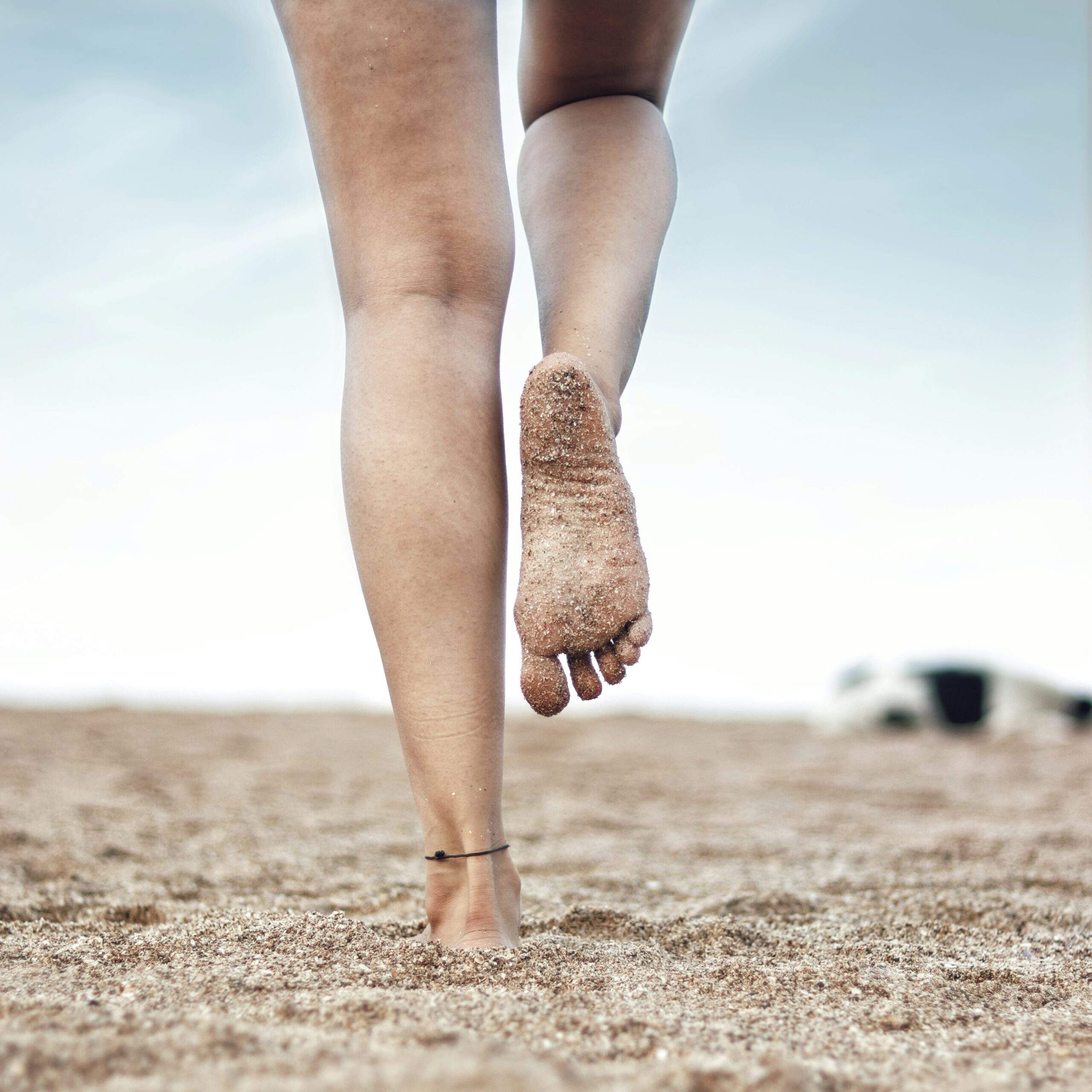
Photo by Siddharth Salve on Unsplash